

Nā Hoa O Maui Nui Seabird Recovery Project
Protecting Native Seabirds, Preserving Island Ecosystems
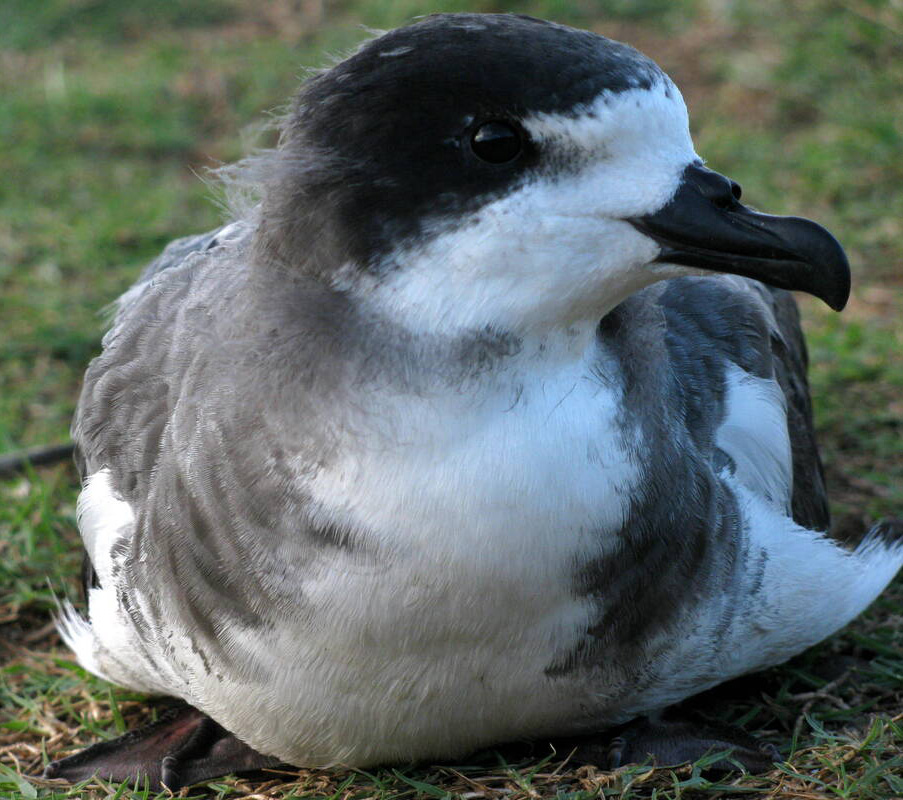
Guardians of Na Manu O Ke Kai
The Maui Nui Seabird Recovery Project protects the endemic and indigenous seabirds that have nourished Hawai'i's island and reef ecosystems since the islands first emerged from the sea. As partners in this effort, Living Pono Project supports the conservation work that ensures healthy, resilient ecosystems for future generations.
Seabirds are more than beautiful creatures. They are essential links between ocean and land, carrying nutrients from the sea to nesting sites and enriching the soil that sustains all island life. Their presence indicates ecosystem health. Their decline signals trouble for the entire ahupua'a from mauka to makai.
Why Seabirds Matter
The Ocean-Land Connection
Seabirds spend most of their lives at sea, feeding on nutrient-rich fish and squid in the open ocean. When they return to their nests on land to breed, they bring these ocean nutrients with them. Their guano enriches island soils, creating the foundation for plant life that sustains entire ecosystems.
This transfer of nutrients from sea to land is a critical ecological process. Seabirds literally build the fertility of island soils, connecting the ocean's abundance to the forest's health. When seabird populations decline, this nutrient flow weakens, affecting everything from native plants to forest birds to the quality of water flowing back to the sea.
Indicators of Ecosystem Health
Healthy seabird populations indicate healthy oceans and healthy islands. Their presence tells us that marine ecosystems are productive, that nesting habitat remains protected, and that the connections between ocean and land remain strong.
Hawai'i's seabirds face multiple challenges
Introduced Predators
Cats, rats, and mongooses prey on eggs, chicks, and adult birds. These predators were never part of Hawai'i's ecosystem, and native seabirds have no defenses against them.
Habitat Loss
Development, agriculture, and other land use changes have eliminated nesting habitat. Many seabirds require specific conditions for nesting, and suitable sites are increasingly scarce.
Light Pollution
Artificial lights disorient fledgling seabirds during their first flights to the ocean. Young birds become grounded in urban areas where they face predators, starvation, and collision with structures.
Ocean Plastic
Seabirds mistake plastic debris for food, filling their stomachs with indigestible material. This affects their health and the health of chicks they feed.
Climate Change
Changing ocean conditions affect food availability. Rising seas threaten low-lying nesting colonies. Extreme weather events destroy nests and habitat.
Our Conservation Work
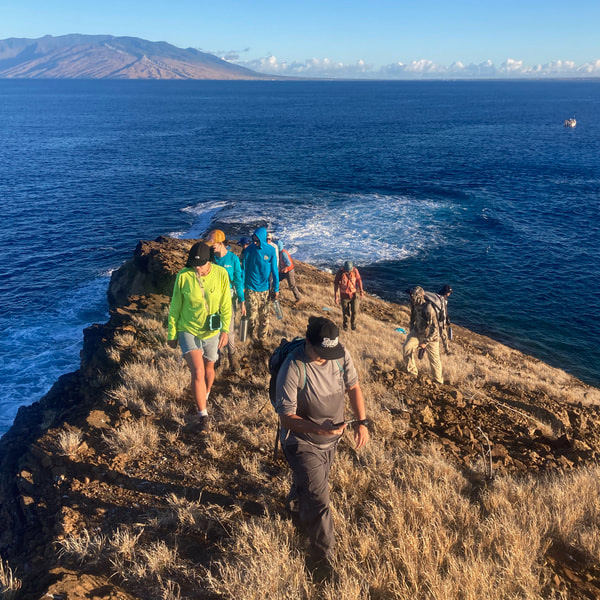
As partners in the Maui Nui Seabird Recovery Project, Living Pono Project supports:
-
Habitat Protection and Restoration
Working with state, federal, and community partners to identify and protect critical seabird habitat. Restoring nesting sites through predator control, native plant restoration, and habitat management. -
Predator Management
Implementing predator control strategies to protect nesting seabirds from introduced species. Using proven techniques to reduce predation while protecting native species. -
Community Education
Teaching community members about native seabirds, their ecological importance, and how individuals can help protect them. Building awareness and stewardship values through hands-on programs. -
Light Pollution Reduction
Working with communities to reduce light pollution during fledging season. Coordinating rescue efforts for grounded fledglings. -
Population Monitoring
Supporting research and monitoring efforts to track seabird populations, identify threats, and measure conservation success.
Species We Protect
Three of the eleven seabird species that breed in Maui Nui are endangered. All suffer from population declines. Our work focuses on protecting:
'A'o (Newell's Shearwater)
Endangered species that nests in mountain burrows and feeds at sea. Severely affected by light pollution and predators.
'Ua'u (Hawaiian Petrel)
Endangered species that nests at high elevations. Threatened by habitat loss and introduced predators.
Other Native Seabirds
Including various species of shearwaters, petrels, terns, and boobies that contribute to Maui's marine and terrestrial ecosystems.
Help Us Restore What Belongs Here
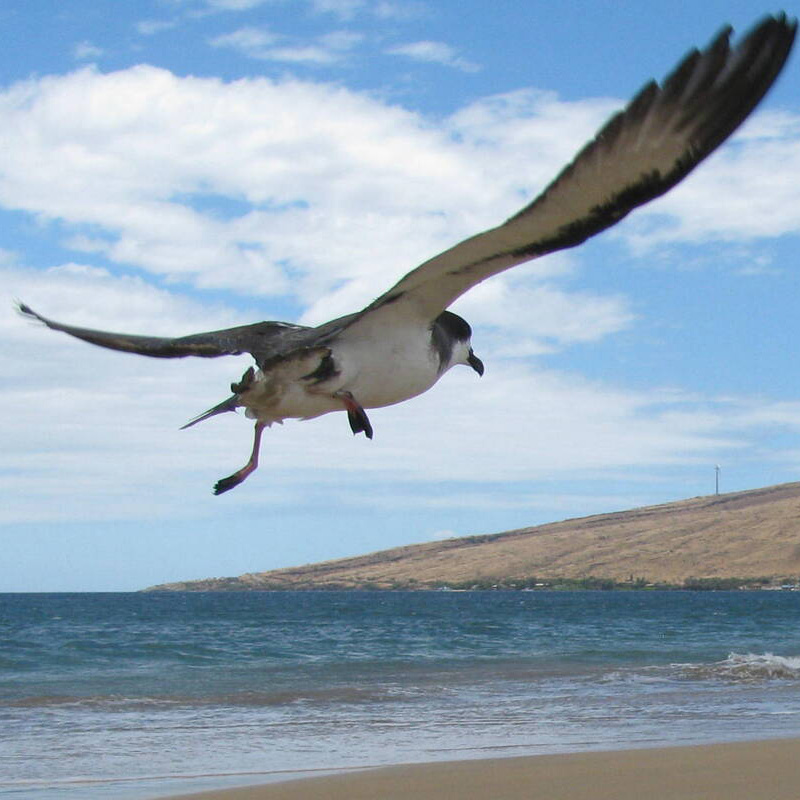
Every rescued fledgling, every protected nest, every predator-free colony represents hope for Hawaiʻi's seabirds and the ecosystems they sustain. Your support ensures this critical conservation work continues—from mauka to makai, for generations to come.